

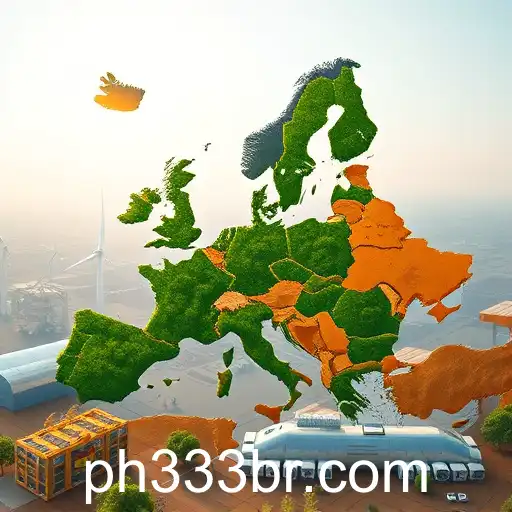

In recent years, Europe has become a global leader in the adoption and implementation of renewable energy technologies. This transition is driven by a combination of economic incentives, technological advancements, and a growing concern for environmental sustainability.
As governments across the continent aim to meet ambitious climate targets, renewable energy sources such as wind, solar, and hydroelectric power are becoming integral to national energy strategies. The European Union has set a goal to reduce greenhouse gas emissions by at least 55% by 2030 compared to 1990 levels. To achieve this, member states are investing heavily in clean energy infrastructure.
Countries like Germany, Denmark, and Spain are at the forefront of this movement. Germany, for example, has increased its investment in wind power and now has one of the largest numbers of wind farms in the world. Meanwhile, Spain has made significant strides in solar energy, capitalizing on its sunny climate to become a European leader in solar power generation.
The adoption of renewable energy is not without its challenges. Critics point to the high initial investment costs for renewable infrastructure and the intermittent nature of sources like wind and solar energy. However, technological advancements are addressing these issues. Innovations in energy storage and grid management are improving the efficiency and reliability of renewable sources, making them a more viable option for large-scale energy needs.
The shift towards renewable energy is also reshaping economic dynamics. As traditional energy industries contract, new opportunities are emerging in the renewable sector. This has led to job creation in green technology and manufacturing, as well as an increased focus on research and development.
Furthermore, the geopolitical landscape is being redefined as countries seek energy independence and security. The reliance on imported fossil fuels is declining, reducing Europe's vulnerability to external energy market fluctuations. This transition is making Europe a more resilient and sustainable continent.
Overall, the rise of renewable energy in Europe represents a significant and positive trend towards a more sustainable future. While challenges remain, the commitment of European nations to embrace clean energy demonstrates a promising path forward in the global fight against climate change.
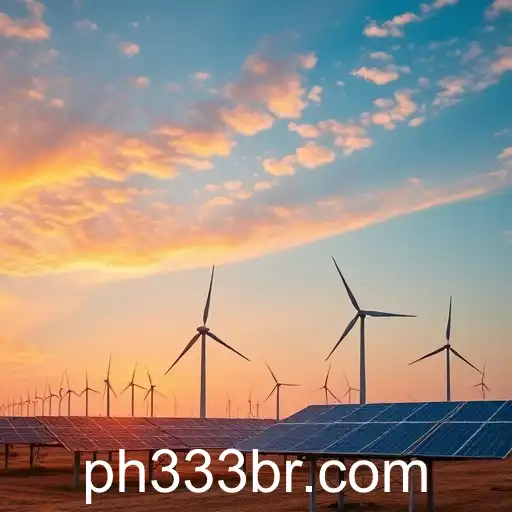
An analysis of the global shift towards renewable energy, reflecting on the current dynamics, challenges, and policy influences.

Examining how online games like those found on platforms associated with 'ph333' have transformed social interactions and community engagement in the digital age.

Exploring the dynamics and the rise of PH333, an English game website that has captivated audiences worldwide.

Exploring the groundbreaking innovations and dynamics shaping the gaming industry in 2025, with a focus on cutting-edge technology, societal impacts, and the keyword 'ph333'.

PH333 emerges as a critical player in the 2025 gaming scene, blending innovation, community engagement, and a dynamic user experience.

Exploring the impact of the PH333 platform on the online gaming scene, with insights into current trends in the industry.
