

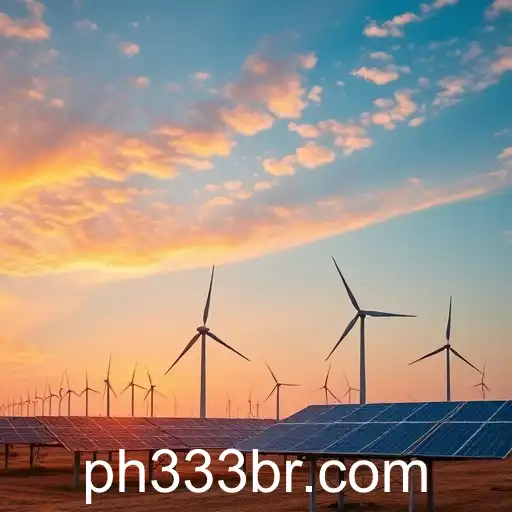

As the effects of climate change become increasingly evident, nations around the world are accelerating their shift towards renewable energy sources. This shift is not only driven by environmental concerns but also by economic and geopolitical factors. The global energy landscape is undergoing a transformation, with solar, wind, and hydroelectric power leading the way in reducing carbon emissions.
Several countries have made significant strides in cutting down their reliance on fossil fuels. For instance, Germany and China are investing heavily in solar energy projects, while the United States is witnessing a growth in wind power facilities, particularly in states like Texas and Iowa. Despite these advancements, the transition to renewable energy is fraught with challenges. Economic dependencies on oil and coal in certain regions, lack of infrastructure, and political resistance are hurdles that continue to slow down the global shift.
The international policy dynamic is one of the most influential factors in promoting renewable energy. Agreements such as the Paris Accord have provided a crucial framework for countries to set emission reduction targets. However, the withdrawal of any major economy from such agreements can undermine collective efforts and shift the balance back towards non-renewable energy.
Furthermore, technological innovations are playing a pivotal role in making renewable energy more accessible and efficient. Advances in battery storage technology, for example, are addressing one of the biggest challenges of renewable energy — the intermittent nature of power generation. Companies around the world are investing in research to improve the efficiency and storage capacity of batteries, making it feasible to store solar and wind energy on a large scale.
As this global shift continues, there is an emerging consensus on the need for a just transition. It’s critical to address the socioeconomic impacts on workers and communities who are affected by the decline of the fossil fuel industry. Policymakers worldwide are recognizing the importance of retraining programs and economic diversification to ensure an equitable transition to a sustainable energy future.
Ultimately, the pursuit of renewable energy is about more than just reducing carbon footprints. It represents a fundamental shift in global priorities — towards a future where energy is clean, affordable, reliable, and sustainable. As the world moves towards the latter part of the decade, the momentum for renewable energy continues to gather strength and pace despite the myriad challenges it faces.

Exploring the growth of ph333 in the online gaming sphere amid current industry advancements and social dynamics in 2025.

A deep dive into the evolving landscape of digital marketplaces and the growing adoption of cryptocurrencies in 2025, focusing on the role of innovations like PH333 in shaping the future.

Exploring the dynamics of modern gaming platforms and their impact on community engagement and technological advancements.

PH333 emerges as a critical player in the 2025 gaming scene, blending innovation, community engagement, and a dynamic user experience.

An in-depth look at how the English game website, ph333, is reshaping the landscape of online gaming by combining innovative game development, engaging communities, and responding to current global events.

An exploration of the significance of PH333 in the online gaming landscape and its impact on virtual communities.
